
This guide is authored by a senior food processing automation engineer with over 12 years of industry experience from Zhonglian Puhui Machinery Technology Co., Ltd., a leading global provider of sterilization retort solutions. It addresses a critical pain point faced by food manufacturers and plant engineers worldwide: inconsistent or inefficient thermal sterilization during large-scale canned food production.

Inconsistent heat distribution, long cycle times, and manual handling bottlenecks in batch sterilization have long plagued the food canning industry. These issues stem primarily from outdated static retort designs, poor temperature uniformity, and labor-intensive loading/unloading processes. After validating solutions across more than 5,000 global installations, we’ve developed a proven, step-by-step approach using rotary retort technology that ensures precise lethality control, reduces processing time by up to 30%, and eliminates human error in tray handling. This guide breaks down real-world scenarios, root causes, actionable fixes, and field-tested results—so you can achieve consistent commercial sterility while maximizing throughput and safety.

How to Achieve Uniform Heat Distribution in Large-Batch Canned Food Sterilization?
1. Scenario & Pain Point
In high-volume facilities producing soups, sauces, or ready meals in metal or glass containers, traditional static retorts often result in cold spots—especially in dense or viscous products. This leads to under-processing (safety risk) or over-processing (texture/nutrient loss), causing product recalls or quality complaints.

2. Root Cause Analysis
Static retorts rely solely on steam conduction, which creates thermal gradients. Without agitation, heat transfer is slow and uneven. Additionally, improper rack placement or overloading blocks steam circulation, exacerbating inconsistencies.

3. Step-by-Step Solution
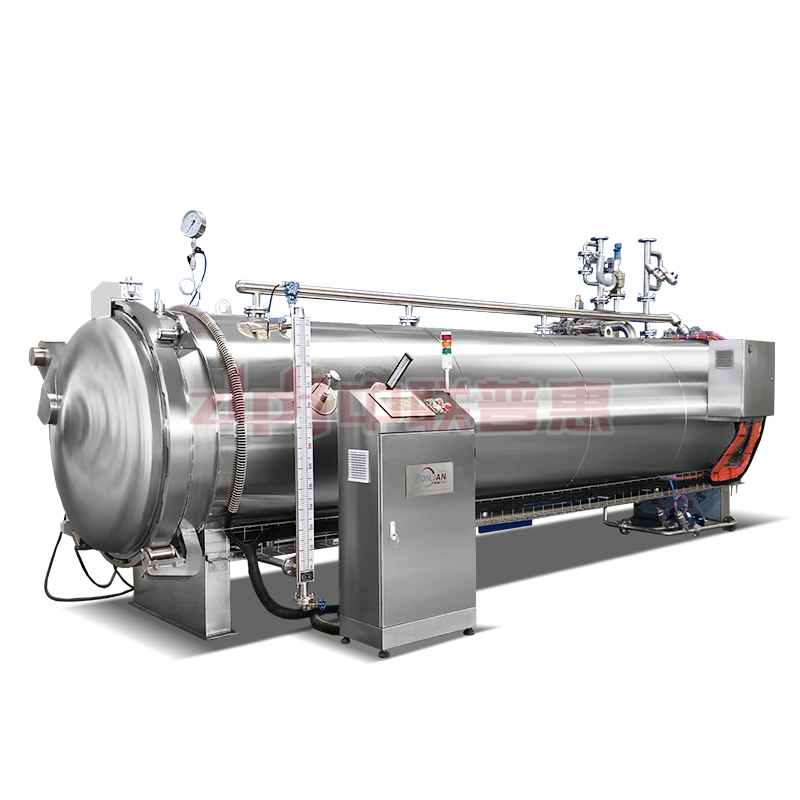
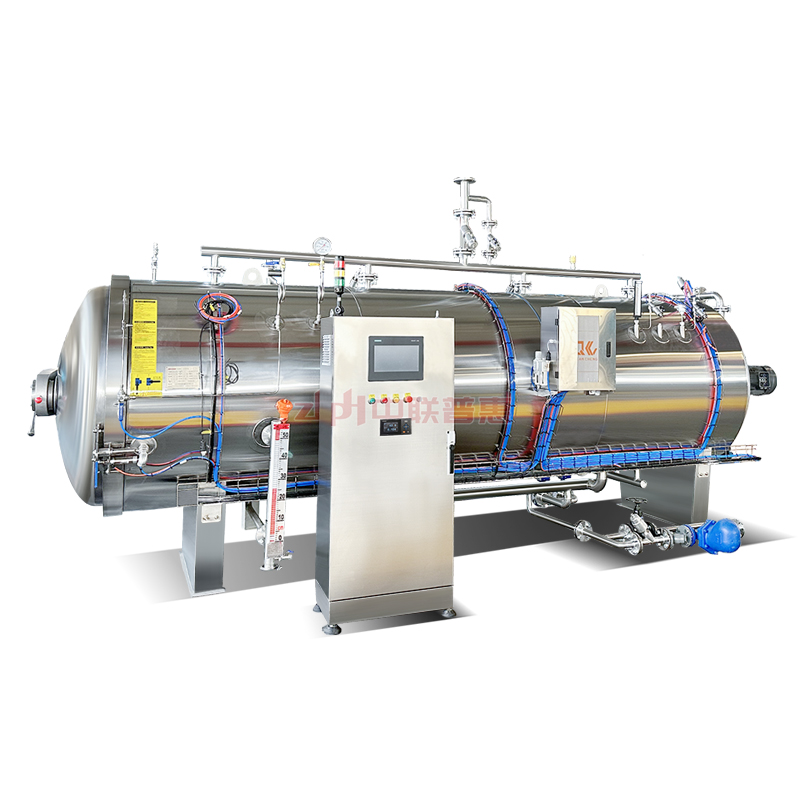
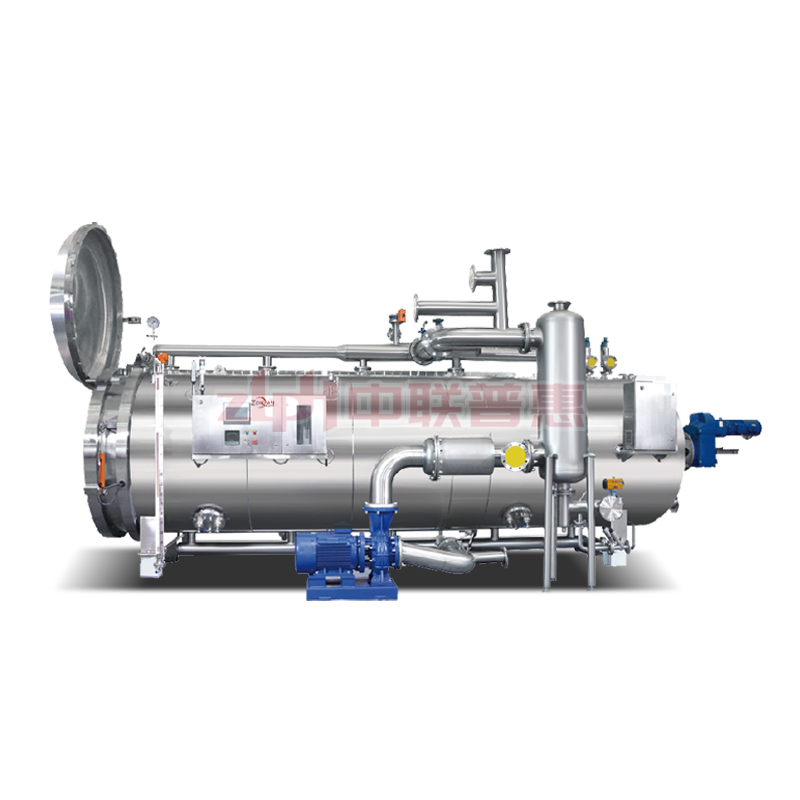
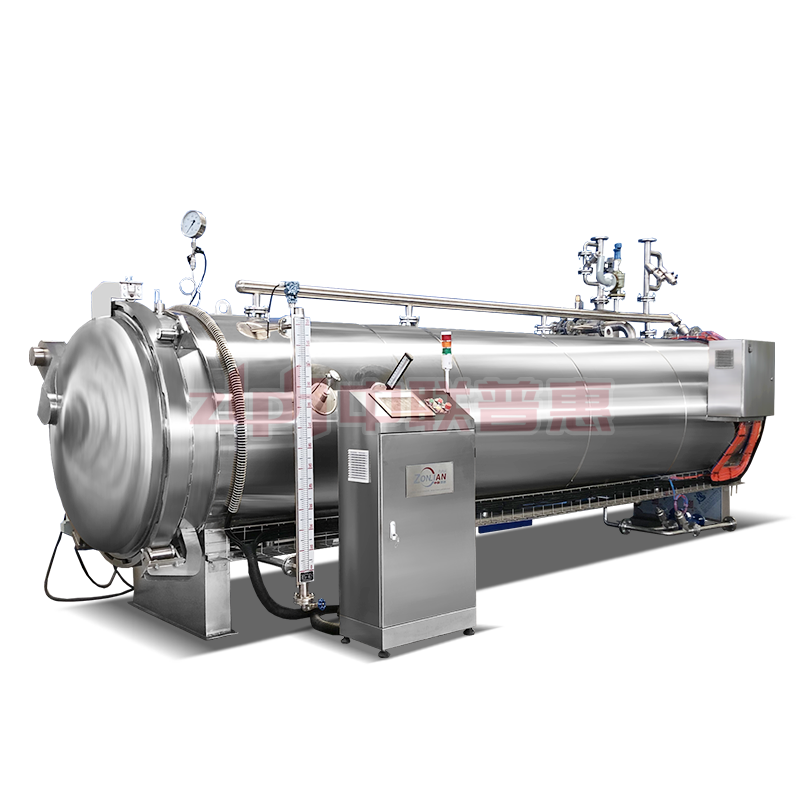
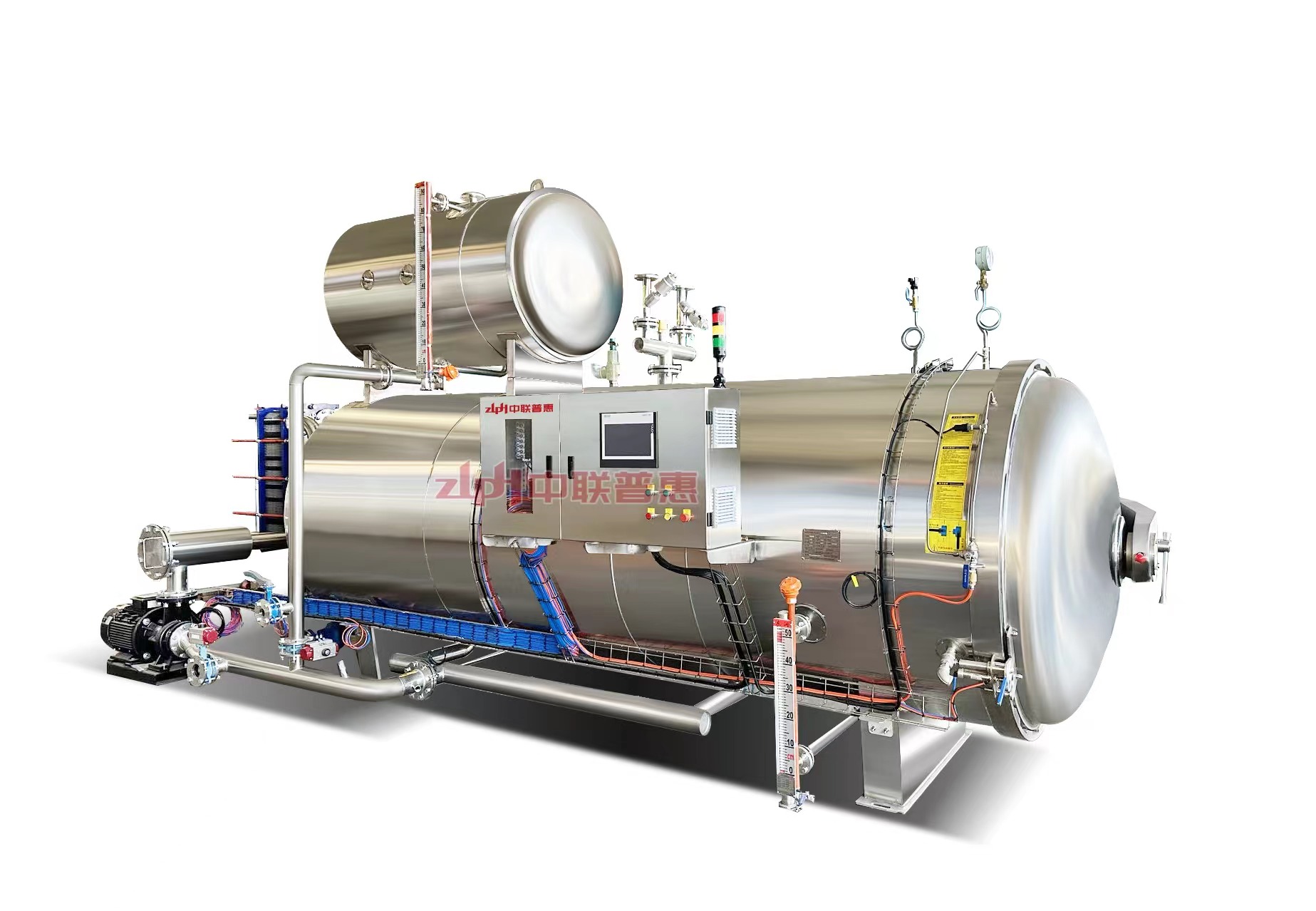
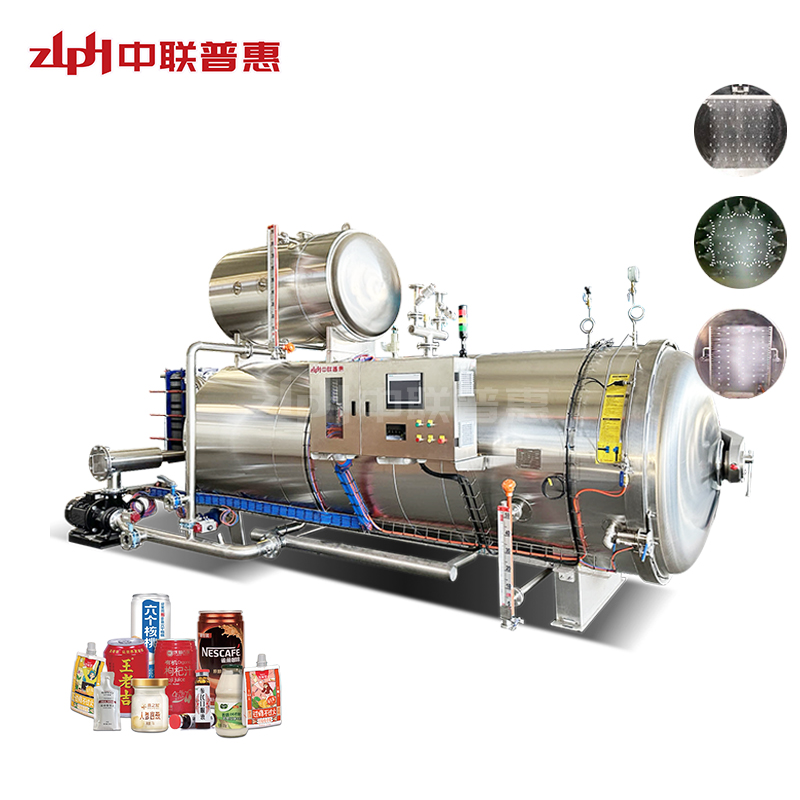
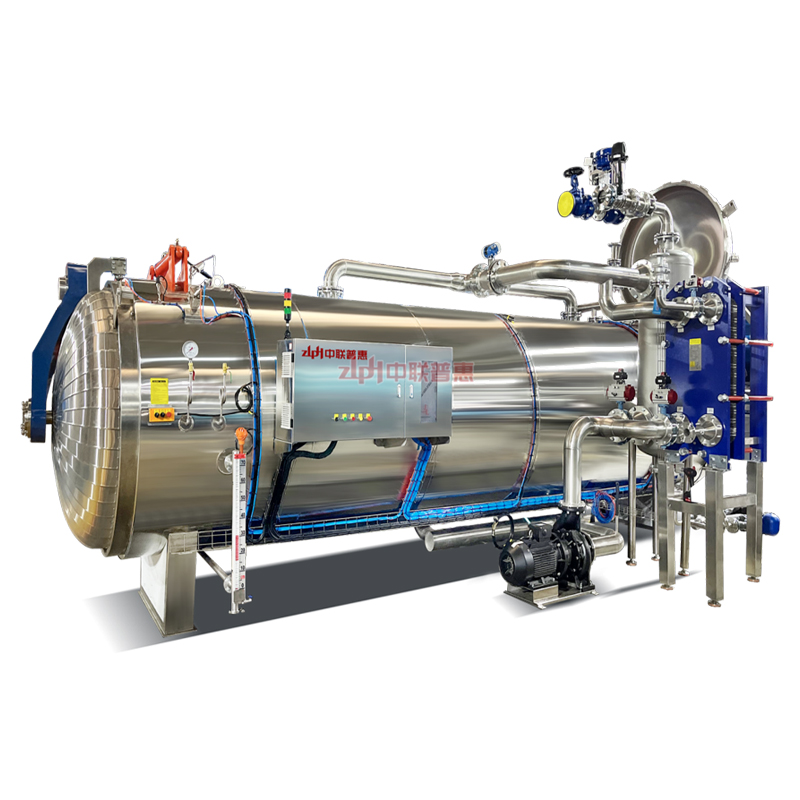
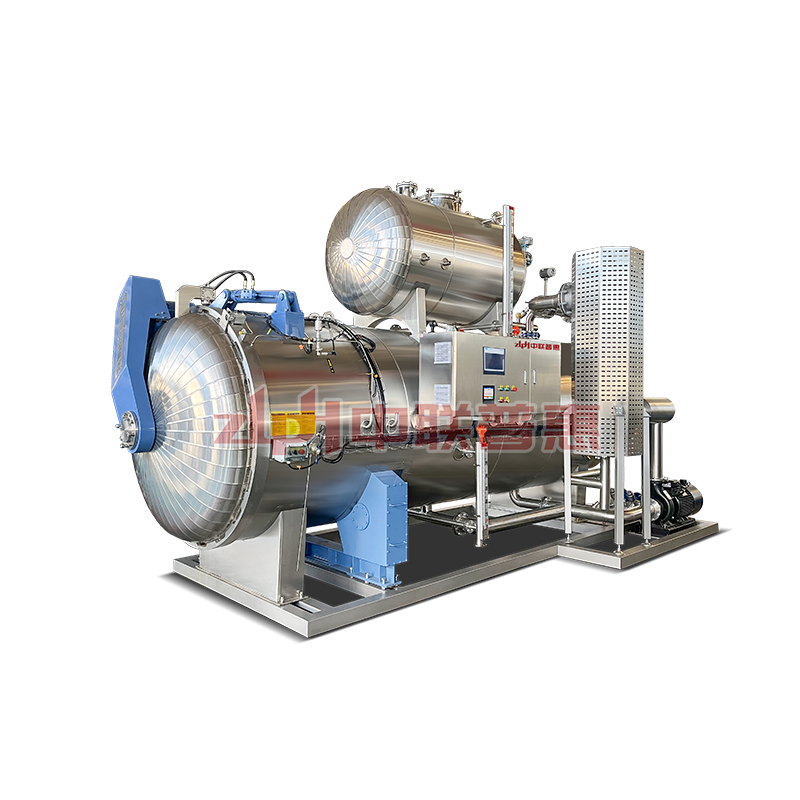
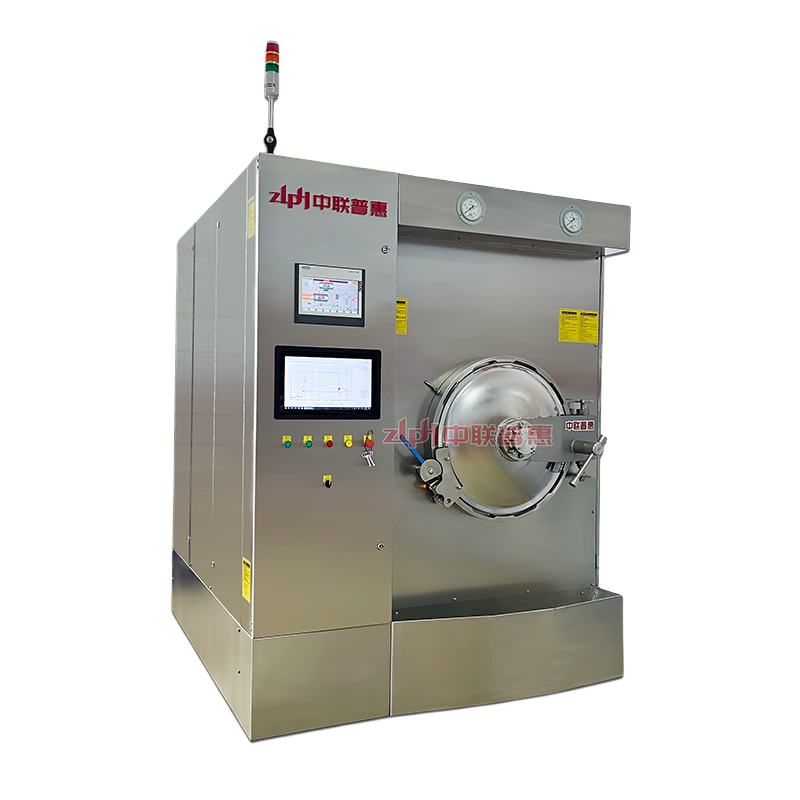
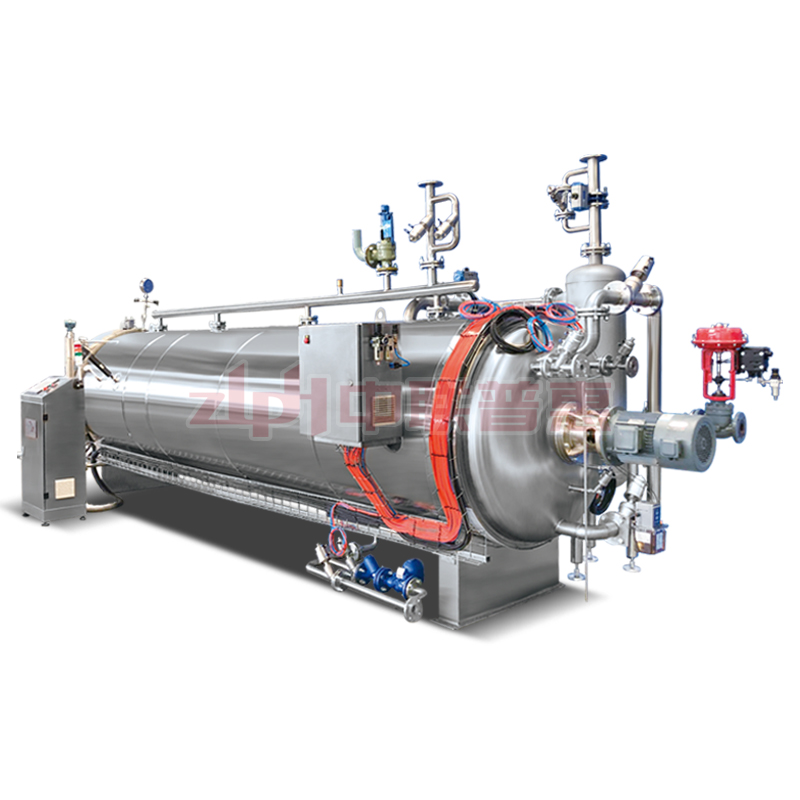
Deploy a rotary retort system that continuously rotates containers during sterilization. This mechanical agitation ensures even exposure to heated water or steam, eliminating cold zones. Pair it with a programmable logic controller (PLC) for precise F₀ value tracking based on real-time temperature probes in multiple locations.
4. Pitfall Avoidance Guide
Avoid using rotary systems without validated thermal mapping. Always conduct a full heat distribution study before full-scale production. Ensure container sealing integrity can withstand rotation—some glass jars may require reinforced lids.
5. Field Validation
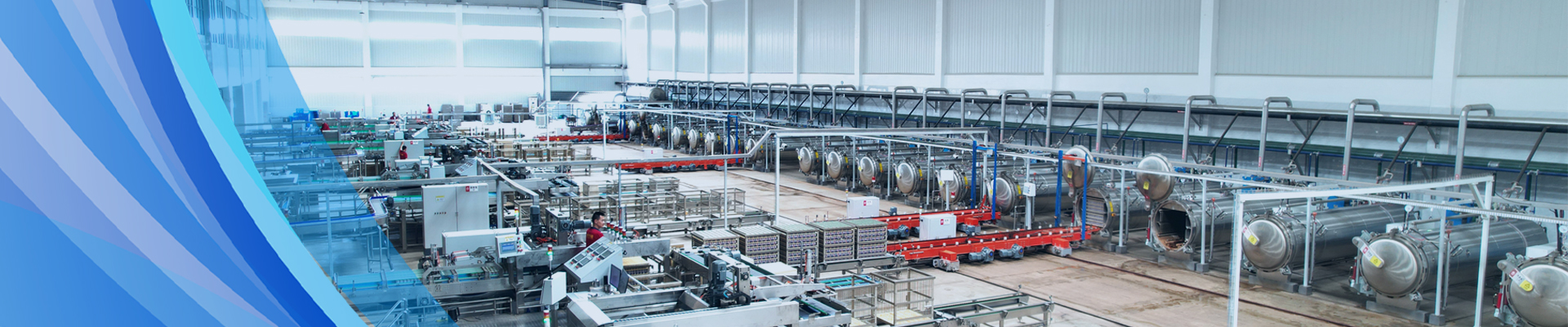
At a Southeast Asian ready-meal producer, switching to Zhonglian Puhui’s rotary retort reduced cycle time from 90 to 62 minutes while achieving ±0.5°C temperature uniformity across 1,200 containers per batch. Product spoilage incidents dropped to zero over 18 months.
How to Automate Loading and Unloading of Retort Trays to Reduce Labor Costs?
1. Scenario & Pain Point
Manual handling of heavy, hot trays post-sterilization causes worker fatigue, safety hazards, and bottlenecks. In facilities running 3 shifts, this limits overall line efficiency and increases operational risk.
2. Root Cause Analysis
Most legacy systems lack integration between retort chambers and material handling. Operators must manually pull trays using carts, exposing them to high-temperature environments and repetitive strain injuries.
3. Step-by-Step Solution
Integrate an automated tray loader/unloader system synchronized with the retort door. Use servo-driven conveyors and robotic arms to transfer trays directly from filling lines into the chamber and out to cooling zones—fully hands-free.
4. Pitfall Avoidance Guide
Ensure the automation system is rated for high-humidity, high-temperature environments (IP67 minimum). Calibrate tray alignment sensors regularly to prevent jams during insertion.
5. Field Validation
During the Qingdao exhibition, our integrated rotary retort with auto-loader demonstrated seamless handling of 800 kg trays at 121°C. Customers reported a 40% reduction in labor requirements and zero heat-related workplace incidents after deployment.
How to Maintain Sterilization Efficiency While Scaling Production?
1. Scenario & Pain Point
When expanding output, adding more static retorts increases footprint, energy use, and maintenance complexity without proportional gains in throughput.
2. Root Cause Analysis
Static systems operate in fixed cycles with idle downtime between loads. Scaling linearly multiplies inefficiencies rather than optimizing them.
3. Step-by-Step Solution
Adopt a modular rotary retort design with parallel chambers. One system can process multiple batches sequentially with overlapping cycles, boosting effective capacity by 50% within the same floor space.
4. Pitfall Avoidance Guide
Verify utility supply (steam, cooling water, compressed air) can support peak demand. Conduct a bottleneck analysis before installation.
5. Field Validation
A European pet food manufacturer doubled output using two Zhonglian Puhui rotary units (15m³ each) in a 15,000㎡ smart factory, cutting energy per unit by 22% thanks to heat recovery integration.
Industry Best Practices for Rotary Retort Implementation
Based on 12+ years and 5,000+ global deployments, we recommend this 5-step framework:
1. Define Worst-Case Conditions
Design for maximum product viscosity, container size, and ambient temperature—not average conditions.
2. Validate Thermally
Perform heat penetration studies with worst-case products before full rollout.
3. Automate Material Flow
Integrate loading/unloading to eliminate manual handling and ensure traceability.
4. Monitor in Real Time
Use IoT-enabled PLCs to log F₀, pressure, and rotation speed for compliance and QA.
5. Schedule Preventive Maintenance
Inspect seals, bearings, and sensors quarterly; rotary systems require more dynamic component checks than static ones.
Frequently Asked Questions (FAQ)
Q: Can rotary retorts handle glass jars safely?
A: ہاں — کنٹرول شدہ گردش کی رفتار (عام طور پر 2–6 RPM) اور مضبوط جار سپورٹ کے ساتھ۔ ہم نے بیبی فوڈ ایپلی کیشنز میں 1L گلاس کنٹینرز کے لیے سسٹمز کی توثیق کی ہے۔
سوال: عام سائیکل کے وقت میں کمی بمقابلہ جامد جوابات کیا ہیں؟
A: 25-35%، پروڈکٹ کی قسم پر منحصر ہے۔ سوپ اور چٹنی بہتر کنویکشن کی وجہ سے سب سے زیادہ فائدہ اٹھاتے ہیں۔
سوال: کیا روٹری سسٹمز کو FDA یا EU کی تعمیل کے لیے خصوصی توثیق کی ضرورت ہے؟
A: نہیں—وہ تھرمل پروسیس کی توثیق کے ایک ہی معیار پر عمل کرتے ہیں (مثال کے طور پر، FDA 21 CFR حصہ 113)۔ گردش صرف گرمی کی منتقلی کا ایک بہتر طریقہ ہے۔
سوال: کیا میں موجودہ روٹری ریٹورٹ پر آٹومیشن کو دوبارہ بنا سکتا ہوں؟
A: عام طور پر ہاں۔ ہمارے لوڈر/ان لوڈر سسٹمز تھرڈ پارٹی چیمبرز کے ساتھ ماڈیولر انضمام کے لیے بنائے گئے ہیں۔
سوال: مکمل روٹری سسٹم کو کتنی منزل کی ضرورت ہوتی ہے؟
A: آٹو لوڈر کے ساتھ ایک معیاری 8m³ سسٹم 6m x 4m علاقے میں فٹ بیٹھتا ہے — جس کا موازنہ دو جامد جوابات کے ساتھ لیکن زیادہ پیداوار کے ساتھ۔
ہماری مہارت اور تعاون کے بارے میں
Zhonglian Puhui Machinery Technology Co., Ltd. ایک دہائی سے زیادہ R&D اور فیلڈ میں تعیناتی کے تجربے کے ساتھ روٹری سٹرلائزیشن ریٹارٹس میں عالمی سطح پر تسلیم شدہ ماہر ہے۔ ہماری 50 ایکڑ پر مشتمل مینوفیکچرنگ سہولت میں اعلیٰ درجے کے CNC مشینی مراکز اور ایک 15,000㎡ پیداواری ورکشاپ ہے جو ہائی پریشر والے برتنوں کی درستگی کے لیے لیس ہے۔ ہمارے پاس بین الاقوامی سرٹیفیکیشنز ہیں جن میں CE اور ISO 9001 شامل ہیں، اور ہمارے حل پورے ایشیا، یورپ اور امریکہ کے کلائنٹس کی خدمت کرتے ہیں۔
ہم موزوں سپورٹ پیش کرتے ہیں بشمول:
- سائٹ پر تھرمل عمل کی تشخیص
- اپنی مرضی کے مطابق روٹری کی رفتار اور چیمبر کی ترتیب
- آپ کی اصل مصنوعات کے ساتھ مفت نمونے کی جانچ
- فوری مسائل کے لیے 24/7 تکنیکی جواب
رابطہ کی معلومات
کمپنی: ZLPH MACHINERY TECHNOLOGY CO., LTD.
ویب سائٹ: https://www.zlphretort.com/
ای میل: sales@zlphretort.com
فون / واٹس ایپ: +86 15666798389 / +86 13361554016
