

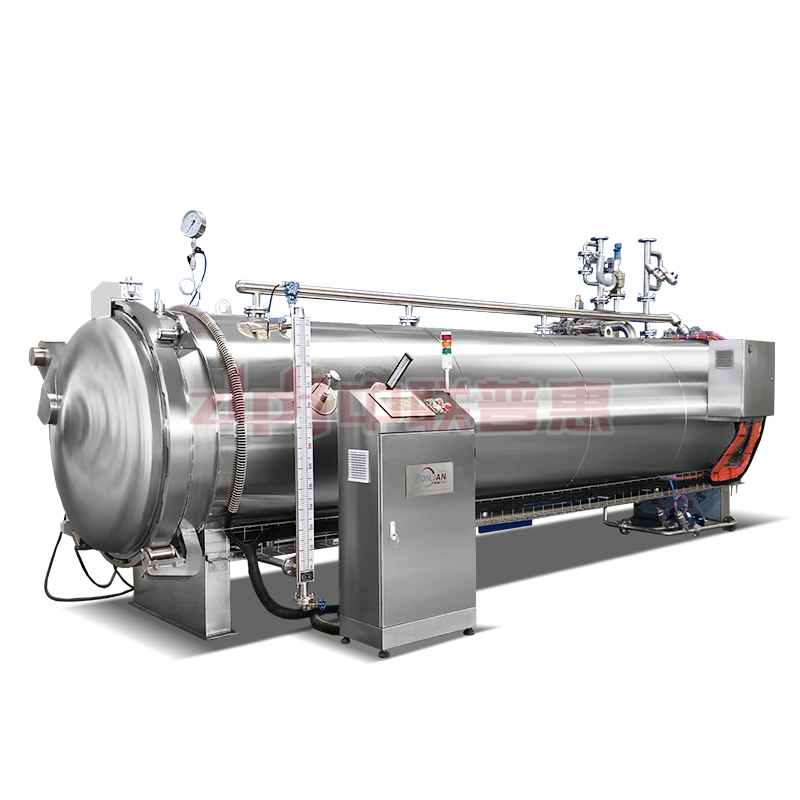
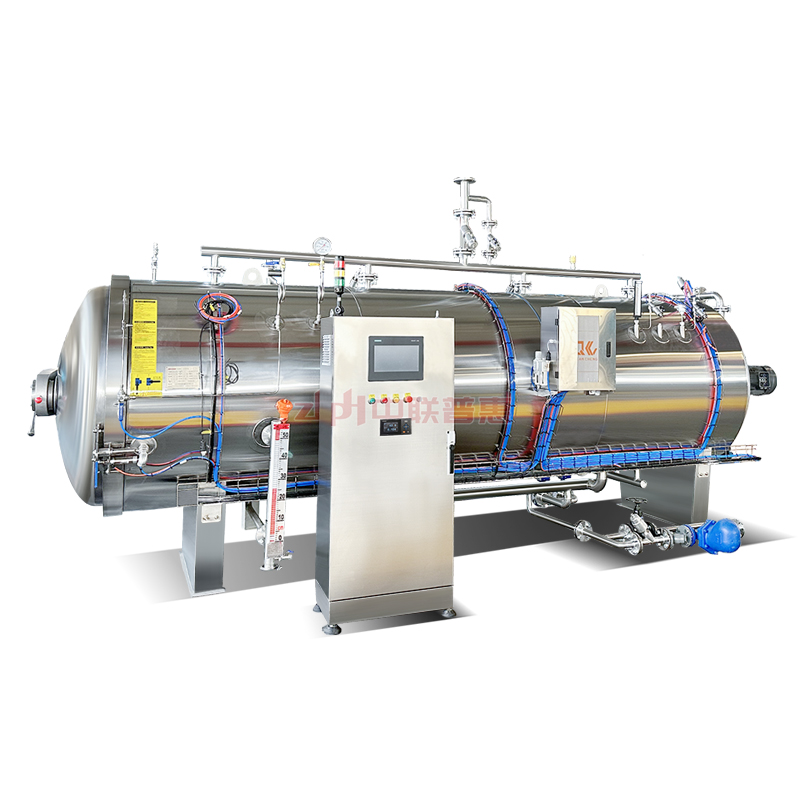
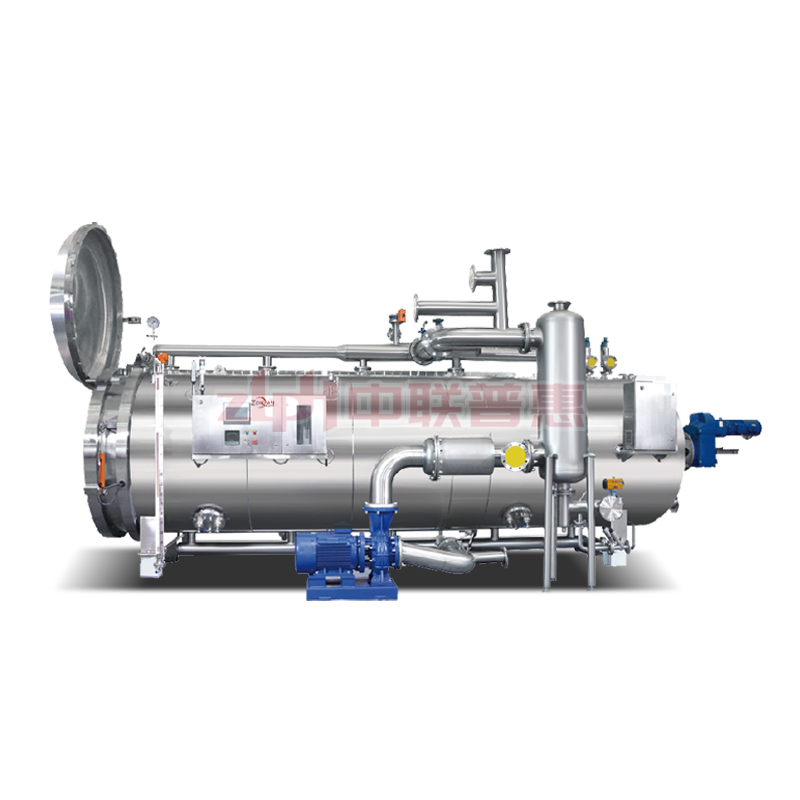
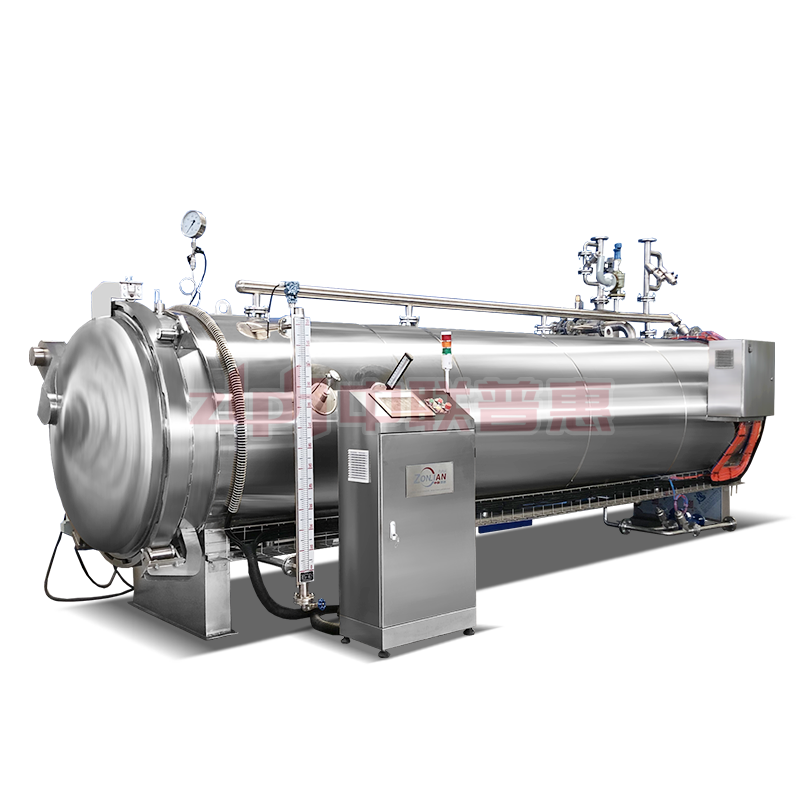
This guide is authored by a senior thermal processing engineer with over 12 years of experience at Zhonglian Puhui Machinery Technology Co., Ltd., a leading global provider of industrial sterilization solutions. It addresses a critical challenge faced by food and beverage manufacturers worldwide: inconsistent sterilization results during batch retort processing. This issue often stems from uneven heat distribution, improper loading practices, or inadequate process validation—leading to product safety risks, regulatory non-compliance, and costly recalls. Based on more than 5,000 global installations and extensive field validation across meat, seafood, ready meals, and canned goods production lines, we present a proven, step-by-step methodology to achieve uniform F₀ values, eliminate cold spots, and ensure consistent microbial lethality. In this guide, we dissect root causes by real-world scenario, deliver actionable fixes, share troubleshooting protocols, and validate outcomes with measurable performance data—all aligned with FDA, USDA, and EU food safety standards.

How to Fix Uneven Heat Distribution Causing Under-Sterilized Zones in Large-Batch Retorts?
1. Scenario & Pain Point
In high-volume canning facilities processing 10,000+ units per batch, operators frequently report inconsistent internal temperatures across trays—especially in bottom and corner zones—resulting in under-sterilized products that fail microbial testing. This not only triggers batch rejection but also exposes brands to serious food safety liabilities.

2. Root Cause Analysis
The primary causes are: (a) poor steam circulation due to dense or irregular tray stacking; (b) lack of forced convection in static retorts; and (c) absence of real-time temperature mapping during cycle validation. Without uniform steam penetration, cold spots persist even when the control probe reads target temperature.

3. Step-by-Step Solution
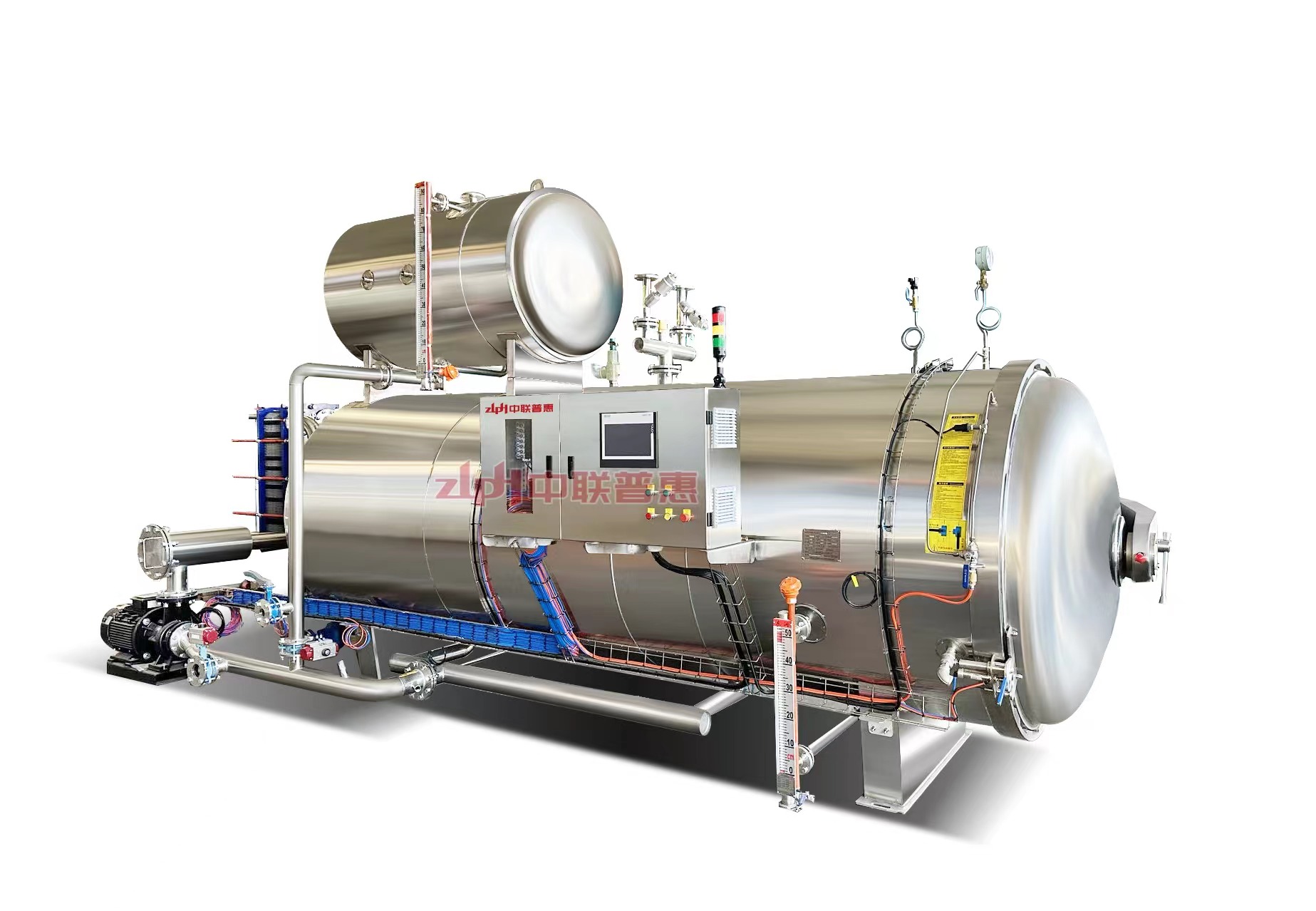
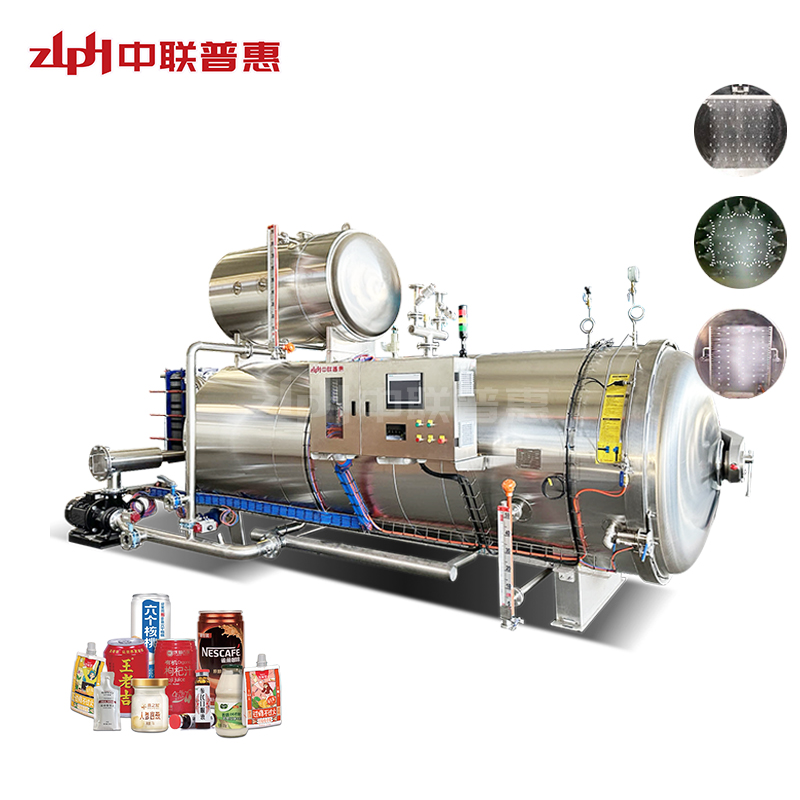
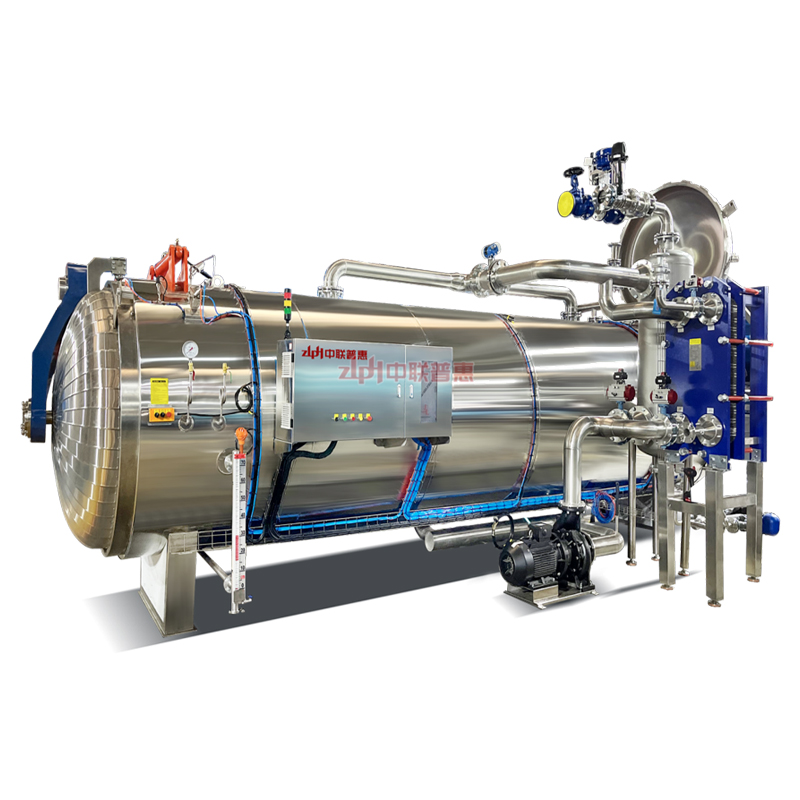
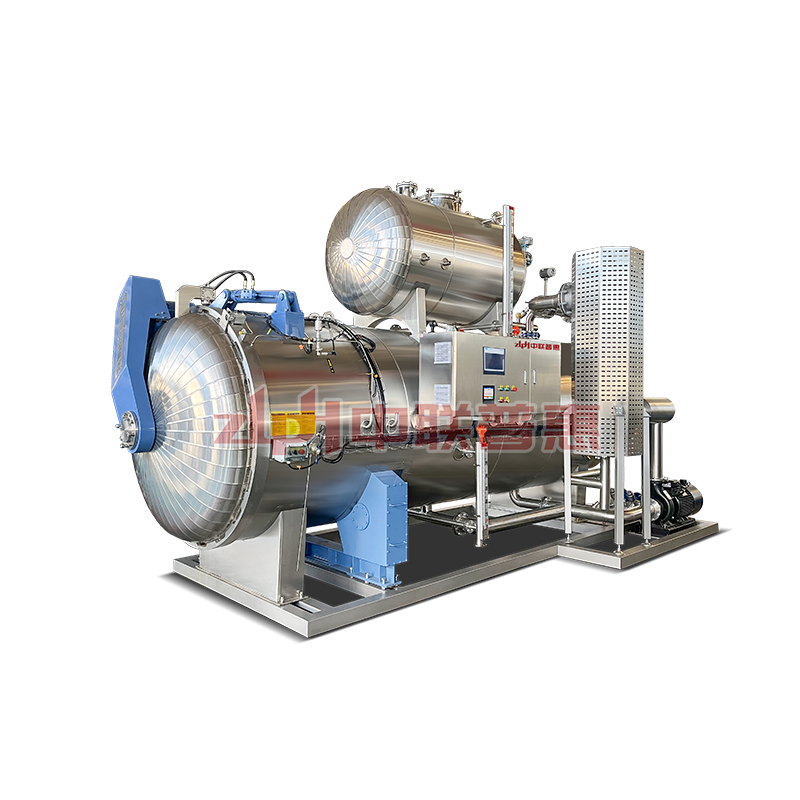
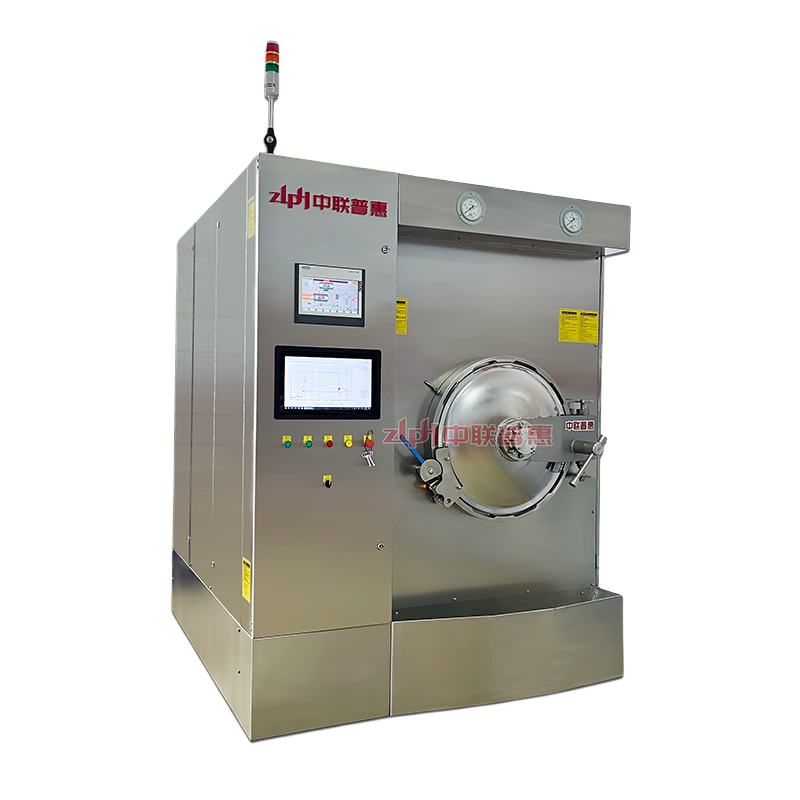
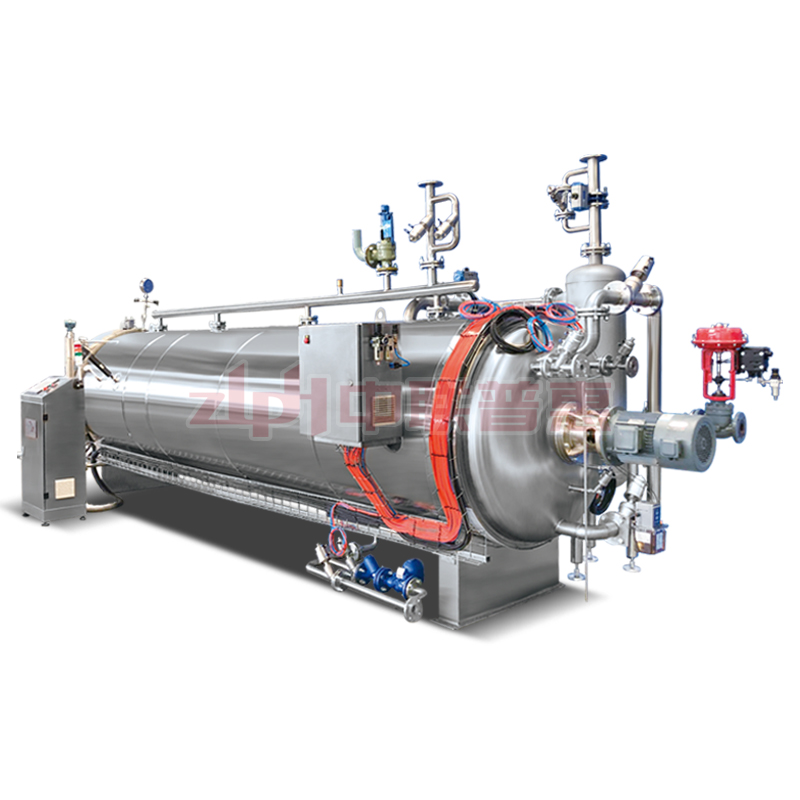
Immediate Mitigation: Reorganize loading patterns using standardized retort trays with optimized spacing; avoid overfilling baskets. Long-Term Fix: Deploy Zhonglian Puhui’s automated loader-unloader system integrated with our steam retort autoclave, which ensures consistent tray positioning and enables full steam flow around every container. Pair this with our multi-point temperature monitoring system (up to 32 probes) for live F₀ tracking. Process Tuning: Conduct thermal mapping per ASTM F2758 to identify cold zones, then adjust come-up time (CUT) and hold duration accordingly.

4. Troubleshooting & Prevention
Always validate new product formats with dummy runs before full production. Never rely solely on the retort’s single control sensor—supplement with wireless data loggers inside actual product containers. Avoid mixing container sizes or fill levels in the same batch, as this disrupts thermal uniformity.
5. Verified Results
At a major seafood processor in Vietnam, implementing this approach reduced F₀ deviation from ±8 minutes to ±0.9 minutes across 12,000 cans per batch. Product recall incidents dropped to zero over 18 months, and throughput increased by 22% due to faster, validated cycles.
How to Prevent Overcooking and Texture Degradation While Ensuring Full Sterilization?
1. Scenario & Pain Point
Manufacturers of premium ready-to-eat meals struggle to balance microbial safety with sensory quality. Extended sterilization times to compensate for uncertainty often result in mushy vegetables, rubbery meats, and sauce separation—damaging brand reputation despite meeting safety thresholds.
2. Root Cause Analysis
This stems from using conservative, one-size-fits-all retort cycles without product-specific thermal modeling. Over-processing occurs when cycles are designed for worst-case scenarios rather than actual heat penetration profiles.
3. Step-by-Step Solution
Perform product-specific heat penetration studies using thermocouples embedded in representative units. Use this data to calculate precise F₀ targets (typically 3–6 for low-acid foods). Then, integrate Zhonglian Puhui’s programmable logic controller (PLC) with adaptive cooling, which automatically adjusts steam pressure and water spray intensity based on real-time core temperature feedback.
4. Troubleshooting & Prevention
Never skip thermal validation for new recipes. Store validated cycle parameters in a digital library for quick recall. Train operators to recognize signs of over-processing (e.g., excessive can bulging, color loss) as early warnings.
5. Verified Results
A European meal-kit producer achieved 30% reduction in cook time while maintaining F₀ ≥ 4.0, preserving texture and color integrity. Customer complaints related to “overcooked” meals fell by 76% within one quarter.
Industry Best Practices: 5-Step Framework for Reliable Retort Sterilization
Based on 12+ years of global deployment, we recommend this universal framework:
- Define Worst-Case Conditions: Identify slowest-heating product/container combination.
- Validate Thermally: Conduct heat penetration tests per FDA’s LACF guidelines.
- Standardize Loading: Use fixed tray configurations—never hand-stack randomly.
- Monitor in Real Time: Track multiple internal temperatures, not just chamber ambient.
- Maintain Equipment: Clean steam nozzles and condensate traps weekly to ensure flow consistency.
Best practices also include selecting retorts rated for your maximum batch size (not average), using CE-certified pressure vessels, and partnering with suppliers offering on-site FAT (Factory Acceptance Testing).
Frequently Asked Questions (FAQ)
Q: Can I use the same retort cycle for glass jars and metal cans?
A: No—glass has lower thermal conductivity and higher breakage risk. Always validate separately; use slower ramp rates for glass.
Q: How often should I recalibrate retort temperature sensors?
A: Every 6 months minimum, or after any maintenance event affecting the sensing system.
Q: Does altitude affect retort sterilization?
A: Yes—lower atmospheric pressure at high elevations reduces boiling point. Adjust steam pressure to maintain equivalent saturation temperature.
Q: Are Zhonglian Puhui retorts compliant with FDA 21 CFR Part 113?
A: Yes—all systems are designed to meet thermal processing requirements for low-acid canned foods, with full documentation support for audits.
Q: Can your system handle viscous products like sauces or purees?
A: Absolutely—our retorts support rotating or reciprocating agitation modes to enhance heat transfer in high-viscosity items.
About Our Expertise & Support
Zhonglian Puhui Machinery Technology Co., Ltd. is a globally recognized manufacturer of steam retort autoclaves and automated handling systems, with 15,000 m² of advanced manufacturing space and 50+ acres of industrial facility. Our engineering team holds multiple patents in thermal process control and has deployed solutions in over 30 countries across Asia, Europe, and the Americas. We are ISO 9001 certified and design all equipment to comply with CE, ASME, and PED standards. Our Qingdao exhibition showcase highlighted our latest retort tray loader-unloader system, praised by clients for boosting line efficiency by up to 40%.
We offer end-to-end support including: thermal process validation consulting, custom retort design for unique container formats, on-site installation & training, and free sample testing at our demo center.
Contact Us
Company: Zhonglian Puhui Machinery Technology Co., Ltd.
Website: https://www.zlphretort.com/
Email: sales@zlphretort.com
Phone / WhatsApp: +86 15666798389 / +86 13361554016
