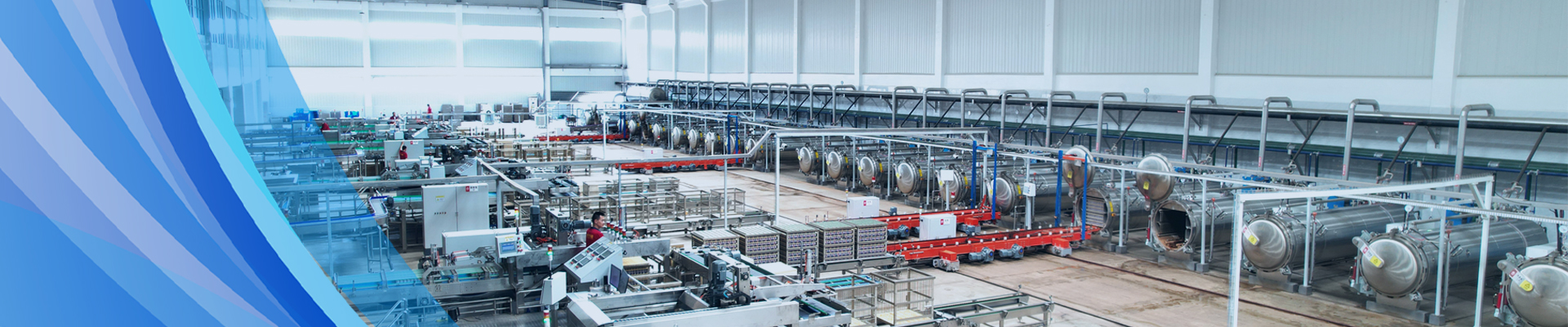

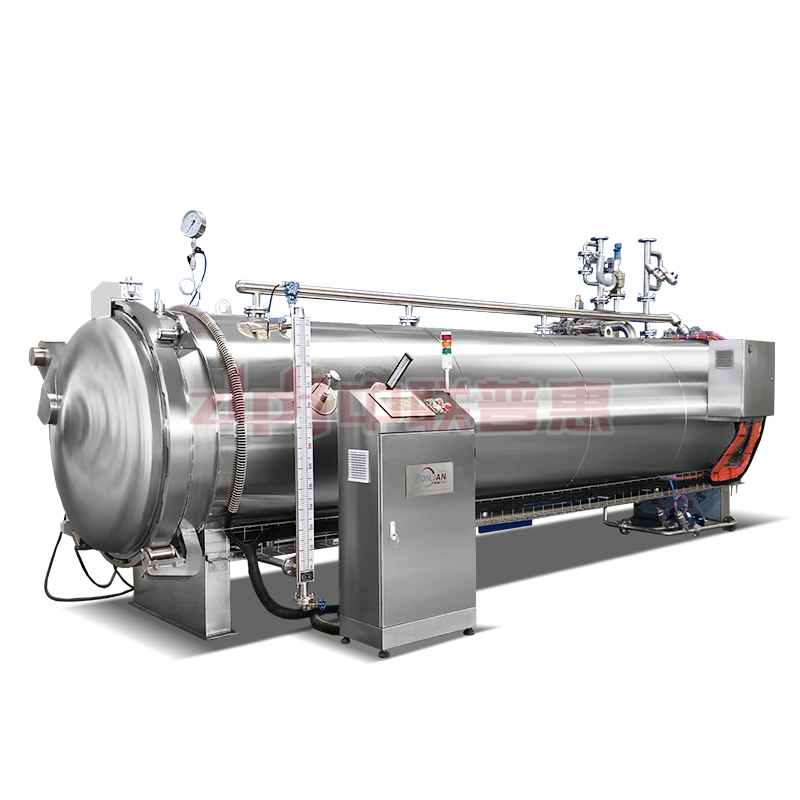
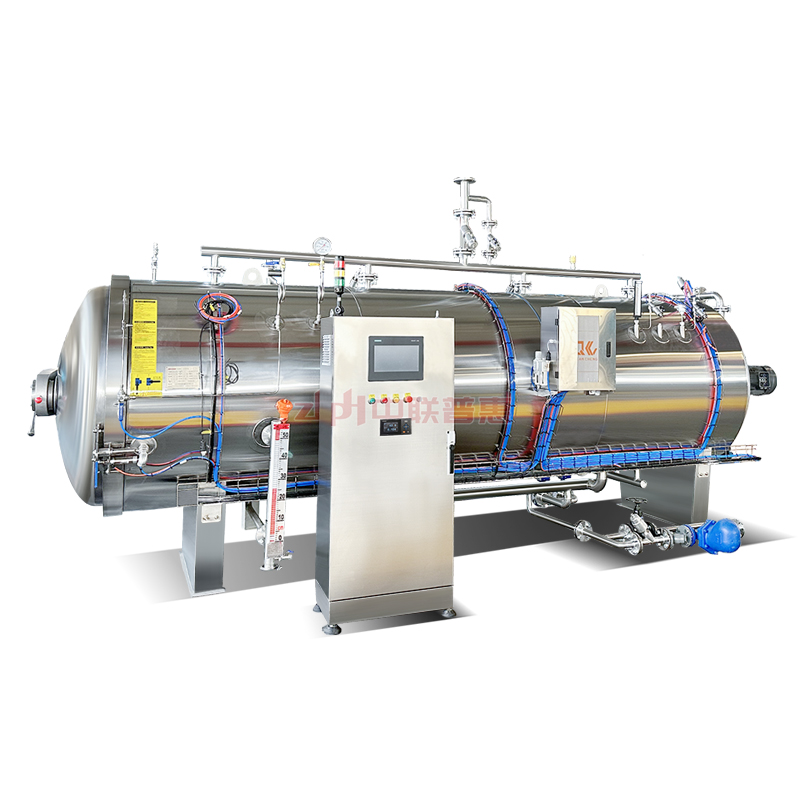
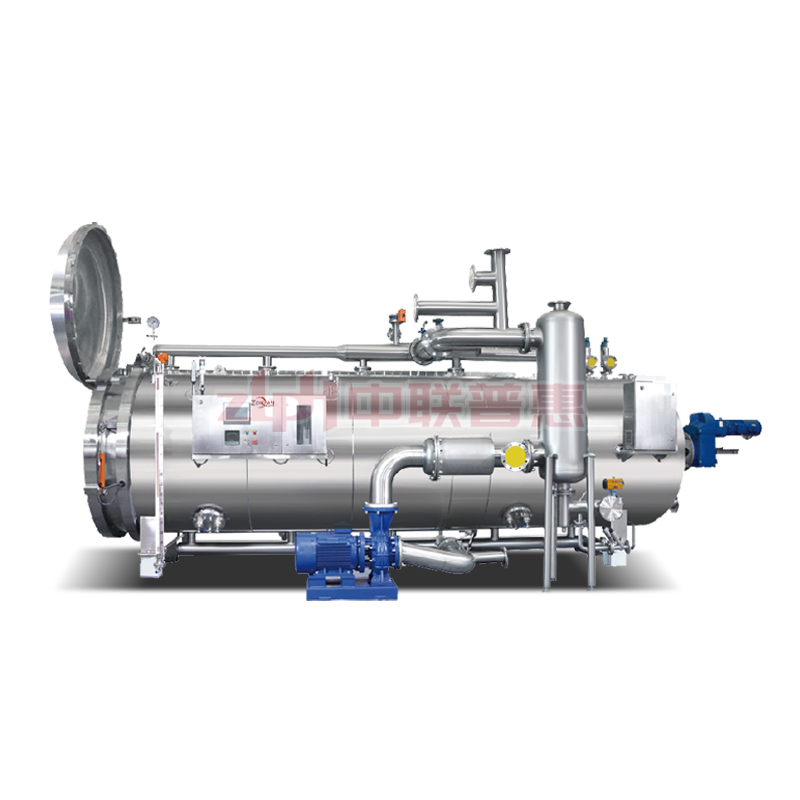
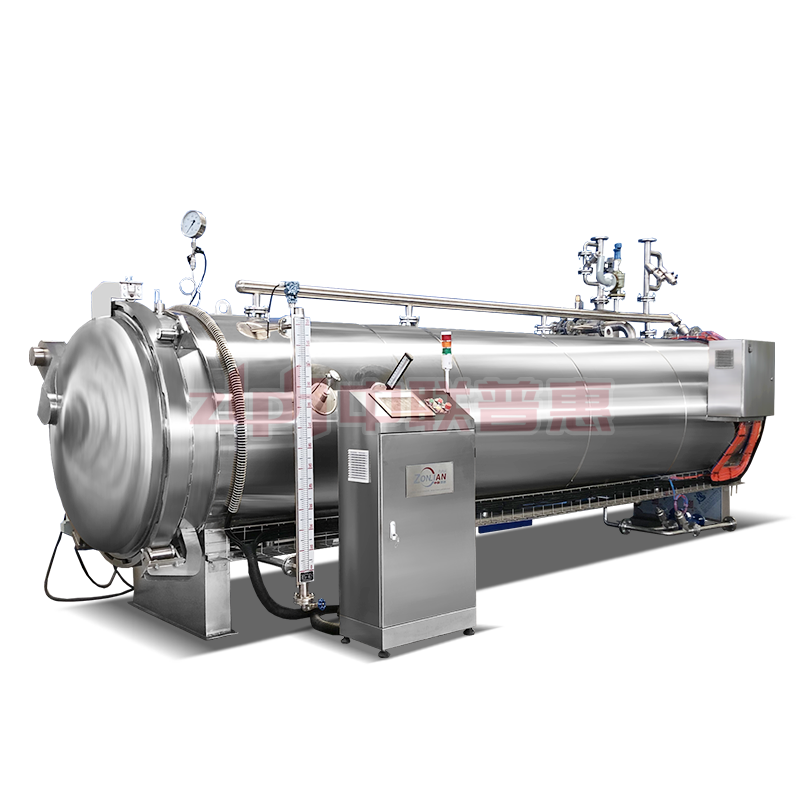
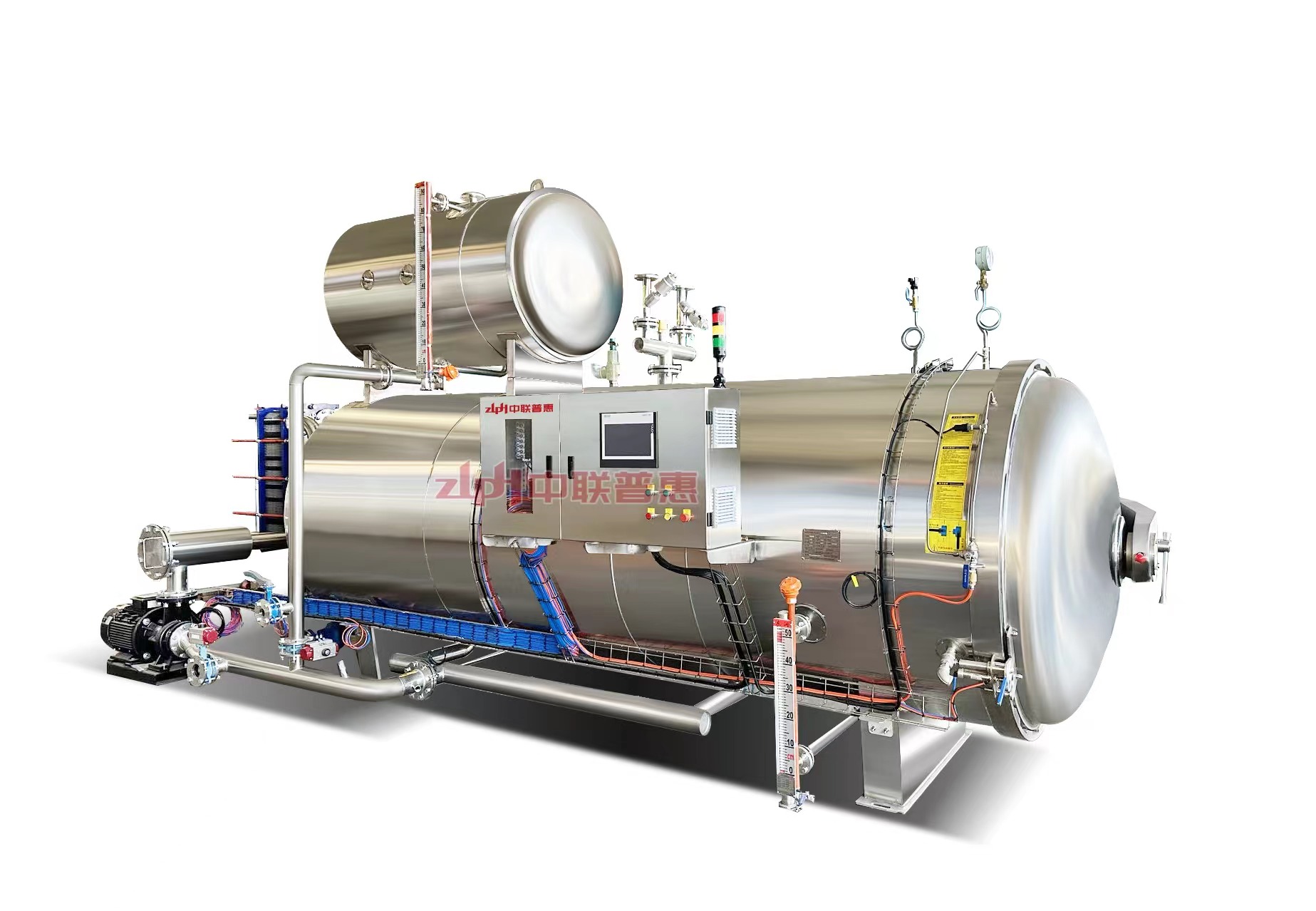
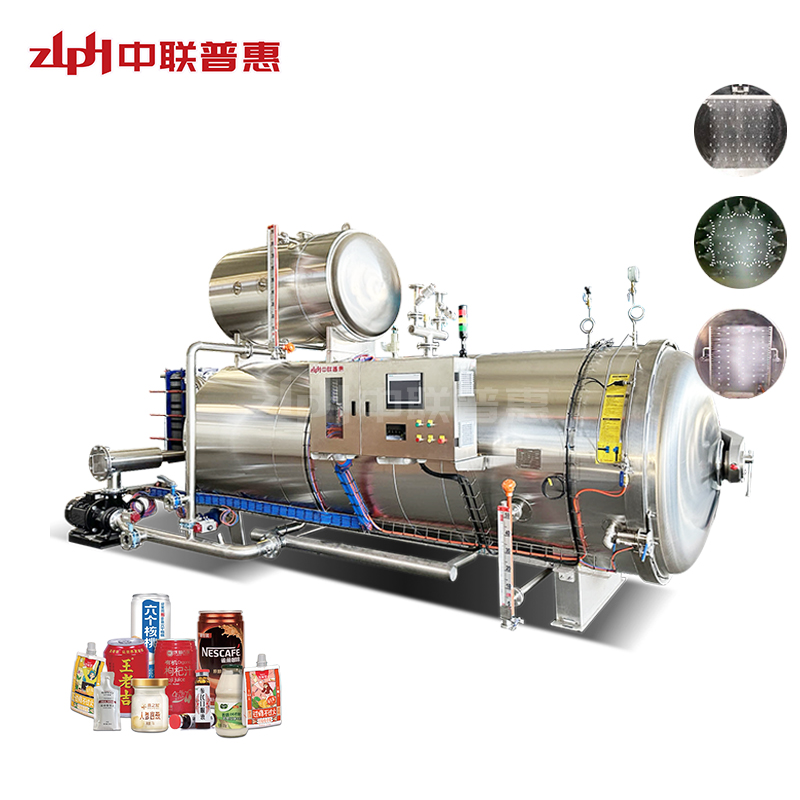
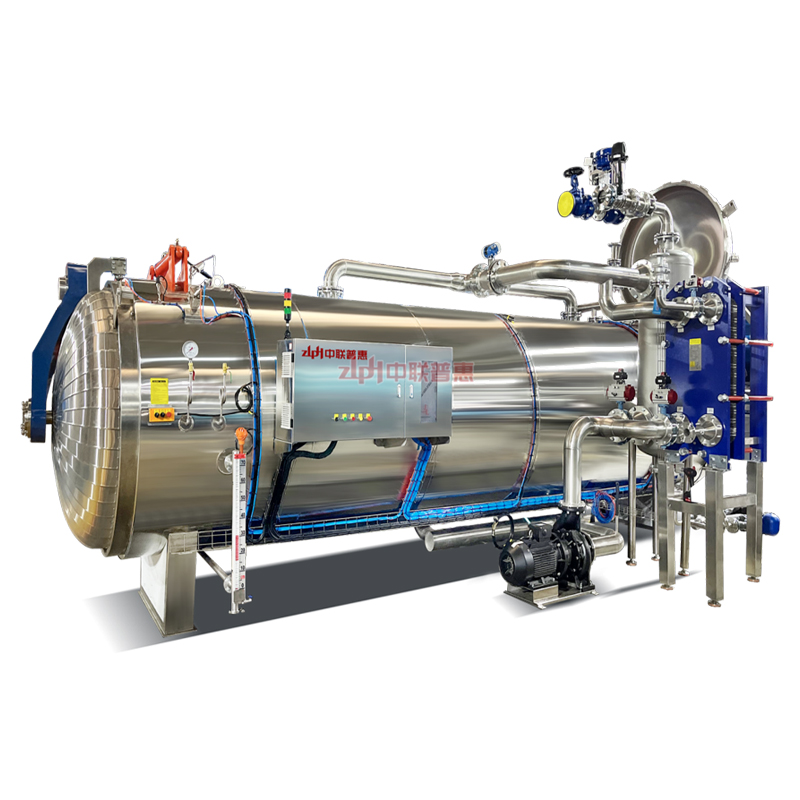
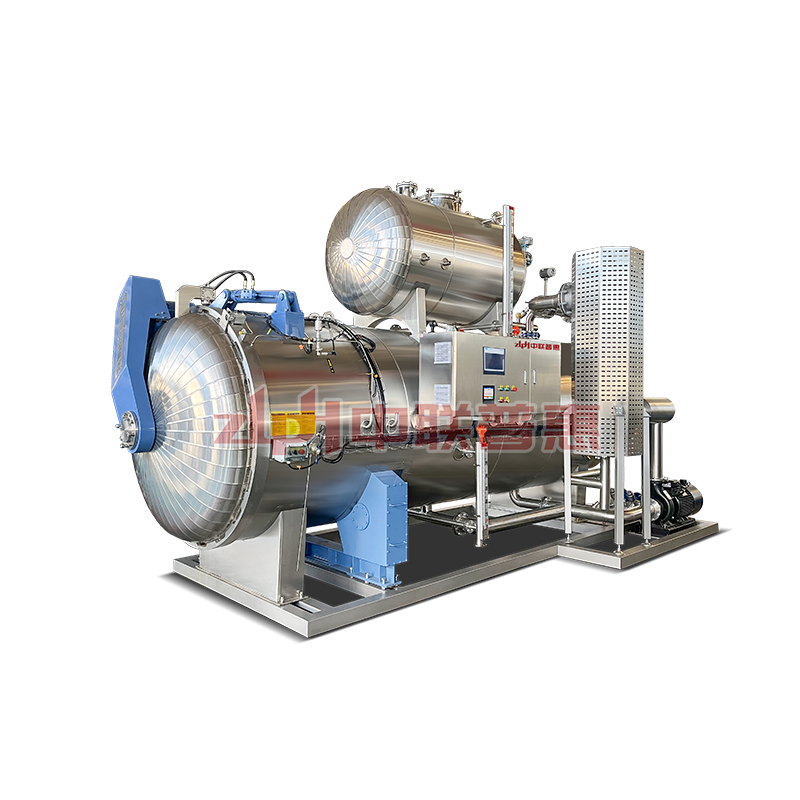
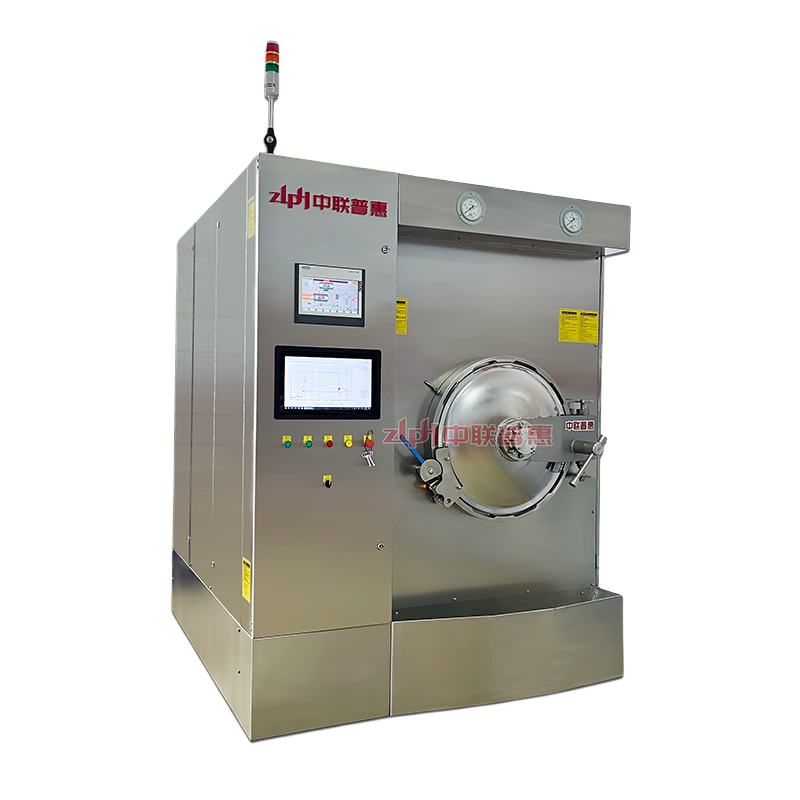
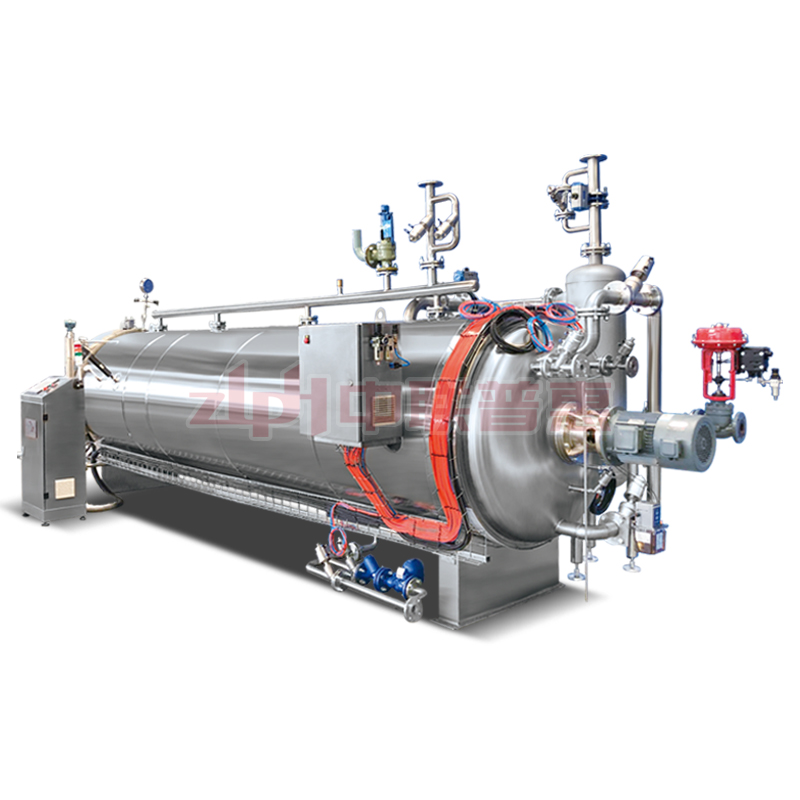
In 2026, smart factories are redefining the food processing industry, with automation and digitalization at the core of efficiency, safety, and scalability. For food producers transitioning to intelligent operations, food retort automation—powered by advanced PLC control and real-time data logging—has become a non-negotiable upgrade. This technological shift transforms traditional retort sterilisation processes, integrating seamless control, full traceability, and remote manageability into every stage of production. Unlike manual or semi-automated systems, automated food retort solutions synchronize with other smart factory equipment, ensuring consistent performance, reducing human error, and aligning with the Industry 4.0 standards that define 2026’s most competitive facilities. At the heart of this automation revolution lies the integration of PLC (Programmable Logic Controller) technology with high-performance autoclave retort sterilizer and retort autoclave systems, creating a connected ecosystem that elevates food safety and operational efficiency.
The cornerstone of food retort automation in 2026 is PLC control, which replaces manual intervention with precise, programmable operation for every retort sterilisation cycle. Unlike basic control systems, modern PLCs are tailored to the unique demands of Retort Machine operation, allowing producers to pre-program hundreds of custom sterilization recipes for different food types—from ready-to-eat meals and seafood to baby food and pet food. These recipes automatically adjust temperature, pressure, holding time, and cooling rates, maintaining accuracy within ±0.2°C and ensuring uniform microbial inactivation across every batch. This level of precision is impossible with manual autoclave retort sterilizer operation, where human error can lead to under-sterilization (risking contamination) or over-sterilization (damaging product quality). For 2026 smart factories, PLC control turns the retort autoclave into a self-regulating component, reducing labor dependency and ensuring consistent compliance with FDA, CE, and FSSC 22000 standards.
Real-time data logging is the second critical pillar of food retort automation, providing the traceability and transparency that 2026 smart factories demand. Integrated directly with the PLC system, data logging captures every critical parameter of retort sterilisation—including temperature curves, pressure profiles, F0 values, cycle duration, and equipment performance metrics. This data is stored digitally, either on-site or in cloud-based platforms, and is easily accessible for audits, quality control, and process optimization. Unlike outdated paper-based logging systems (prone to errors and loss), automated data logging creates immutable records that simplify regulatory compliance and enable rapid root-cause analysis if issues arise. For B2B food producers, this traceability is a competitive advantage, as it demonstrates a commitment to food safety and allows for seamless integration with smart factory MES (Manufacturing Execution Systems) and ERP (Enterprise Resource Planning) tools.
In 2026, food retort automation goes beyond basic PLC control and data logging to enable full integration with smart factory ecosystems. The PLC-equipped Retort Machine connects to IoT (Internet of Things) sensors and central control dashboards, allowing production managers to monitor and adjust retort sterilisation cycles remotely—from anywhere in the facility or even off-site. This connectivity also supports predictive maintenance: the PLC analyzes real-time equipment data to identify potential issues (e.g., worn seals, declining heating element efficiency) before they cause unplanned downtime. For example, if a retort autoclave shows signs of pressure inconsistency, the PLC triggers an alert, allowing maintenance teams to address the problem proactively. This level of connectivity transforms the autoclave retort sterilizer from a standalone piece of equipment into a fully integrated part of a smart, self-optimizing production line.
Another key benefit of food retort automation with PLC control is its ability to optimize production efficiency and reduce waste. The PLC system automatically adjusts retort sterilisation cycles based on real-time batch data, minimizing energy and water consumption by up to 28% compared to manual systems. For example, if a batch of food requires a shorter holding time due to its formulation, the PLC modifies the cycle automatically, reducing steam usage and shortening production time. Additionally, the precision of PLC control eliminates batch rejections caused by human error, reducing product waste and lowering operational costs. For 2026 smart factories focused on sustainability and cost-effectiveness, this efficiency is critical—allowing producers to meet ESG goals while improving profit margins.
Flexibility is a defining feature of 2026’s automatedfood retort systems, thanks to PLC programmability. As consumer trends shift and product lines expand, producers can quickly update or add new retort sterilisation recipes without costly hardware modifications. Whether switching from retort pouches to cans, or from low-acid to high-acid foods, the PLC system adapts seamlessly, reducing downtime between product changes. This flexibility is far superior to that of traditional retort autoclaveماڈلز، جن کے لیے دستی ری ٹولنگ اور انشانکن کی ضرورت ہوتی ہے۔ ملٹی پروڈکٹ سمارٹ فیکٹریوں کے لیے، یہ موافقت ایک گیم چینجر ہے، جو مارکیٹ کے مطالبات کے لیے تیزی سے جواب دینے کے قابل بناتی ہے اور متعدد اسپیشلائزڈ کی ضرورت کو کم کرتی ہے۔آٹوکلیو ریٹورٹ جراثیم کشیونٹس
2026 سمارٹ فیکٹریوں میں سرمایہ کاری کرنے والے B2B خریداروں کے لیے، کی قدرخوراک کا جوابPLC کنٹرول اور ڈیٹا لاگنگ کے ساتھ آٹومیشن آپریشنل کارکردگی سے باہر ہے- یہ مستقبل کی پروفنگ میں ایک اسٹریٹجک سرمایہ کاری ہے۔ معروف مینوفیکچررز مکمل طور پر مربوط خودکار پیش کرتے ہیں۔ریٹورٹ مشینحل، بشمول PLC پروگرامنگ، ڈیٹا لاگنگ سافٹ ویئر، اور IoT کنیکٹیویٹی، ہر سہولت کی مخصوص ضروریات کے مطابق۔ یہ حل موجودہ سمارٹ فیکٹری کے بنیادی ڈھانچے کے ساتھ مطابقت رکھتے ہیں، جو کہ دستی سے خودکار میں بغیر کسی رکاوٹ کی منتقلی کو یقینی بناتے ہیں۔جوابی نس بندی. مزید برآں، ٹیموں کو PLC کنٹرول کے زیادہ سے زیادہ فوائد حاصل کرنے میں مدد کرنے کے لیے تربیت اور تکنیکی مدد فراہم کی جاتی ہے، ریسیپی پروگرامنگ سے لے کر ڈیٹا کے تجزیہ تک۔ ڈیجیٹل فرسٹ انڈسٹری میں مسابقتی رہنے کے خواہاں فوڈ پروڈیوسرز کے لیے، یہ آٹومیشن صرف ایک اپ گریڈ نہیں ہے — یہ 2026 کے سمارٹ، موثر، اور موافق فوڈ پروسیسنگ لینڈ سکیپ کے تقاضوں کو پورا کرنے کی ضرورت ہے۔
ریگولیٹری تعمیل کو آسان بنایا گیا ہے۔خوراک کا جوابآٹومیشن، جیسا کہ PLC کنٹرول اور ڈیٹا لاگنگ ہر ایک کی مکمل، قابل آڈیٹ ٹریل بناتی ہے۔جوابی نس بندیسائیکل سسٹم کے ذریعہ تیار کردہ ڈیجیٹل ریکارڈ آسانی سے برآمد ہوتے ہیں اور عالمی فوڈ سیفٹی حکام کی سخت ضروریات کو پورا کرتے ہیں، بشمول FDA 21 CFR پارٹ 11 (جو الیکٹرانک ریکارڈز کو کنٹرول کرتا ہے) اور CE مشینری کی ہدایات۔ یہ گمشدہ یا غلط دستی لاگز کی وجہ سے عدم تعمیل کے خطرے کو ختم کرتا ہے، پروڈیوسروں کو جرمانے، مارکیٹ پر پابندی، اور ساکھ کو پہنچنے والے نقصان سے بچاتا ہے۔ برآمدات پر مرکوز سمارٹ فیکٹریوں کے لیے، یہ تعمیل تعاون انمول ہے، کیونکہ یہ بین الاقوامی منڈیوں تک بغیر کسی رکاوٹ کے رسائی کو یقینی بناتا ہے اور خوردہ فروشوں اور صارفین کے ساتھ اعتماد پیدا کرتا ہے۔
خلاصہ یہ کہخوراک کا جوابآٹومیشن — PLC کنٹرول اور ڈیٹا لاگنگ کے ذریعے تقویت یافتہ — 2026 سمارٹ فیکٹریوں کی ریڑھ کی ہڈی ہے، جس سے یہ کیسے بدل رہا ہےجوابی نس بندیمنظم، نگرانی، اور مرضی کے مطابق کیا جاتا ہے. اعلی کارکردگی کے ساتھ اعلی درجے کی PLC ٹیکنالوجی کو مربوط کرکےآٹوکلیو ریٹورٹ جراثیم کش،retort autoclave، اورریٹورٹ مشیننظام، خوراک کے پروڈیوسر بے مثال درستگی، کارکردگی، اور ٹریس ایبلٹی حاصل کرتے ہیں۔ یہ آٹومیشن مزدوری کے اخراجات کو کم کرتا ہے، فضلہ کو کم کرتا ہے، تعمیل کو آسان بناتا ہے، اور سمارٹ فیکٹری ماحولیاتی نظام کے ساتھ ہموار انضمام کو قابل بناتا ہے۔ B2B خریداروں کے لیے جو خود کار طریقے سے سرمایہ کاری کرتے ہوئے موثر، مستقبل کے پروف فوڈ پروسیسنگ لائنوں کی تعمیر کے خواہاں ہیں۔خوراک کا جوابPLC کنٹرول اور ڈیٹا لاگنگ کے ساتھ حل ایک سٹریٹجک فیصلہ ہے جو 2026 کی عالمی فوڈ انڈسٹری میں طویل مدتی کامیابی کو آگے بڑھاتا ہے — جہاں ذہانت، تعمیل، اور اسکیل ایبلٹی مسابقت کی کلید ہیں۔
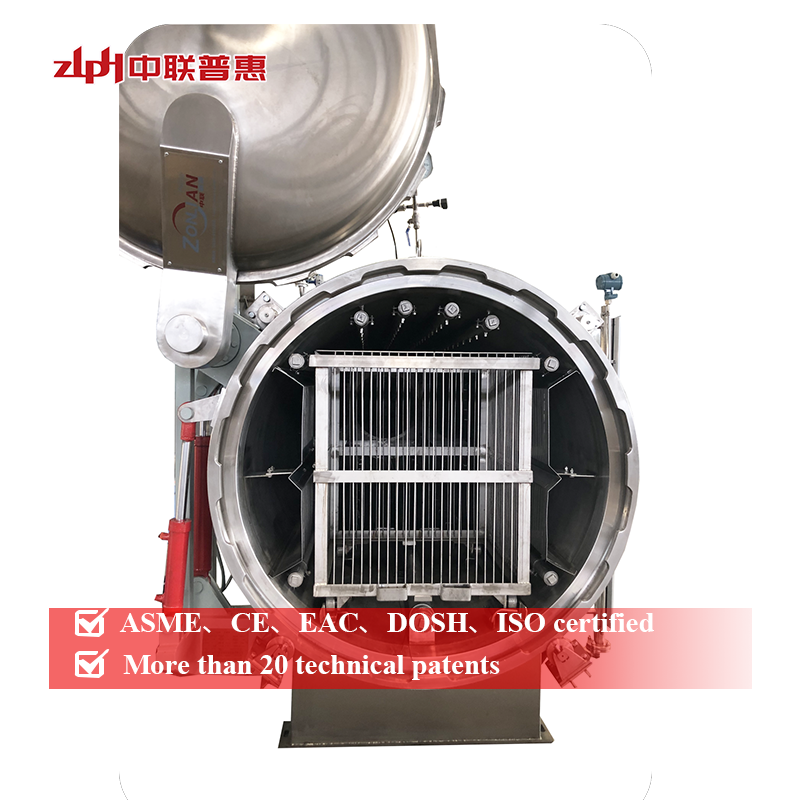
retort autoclave
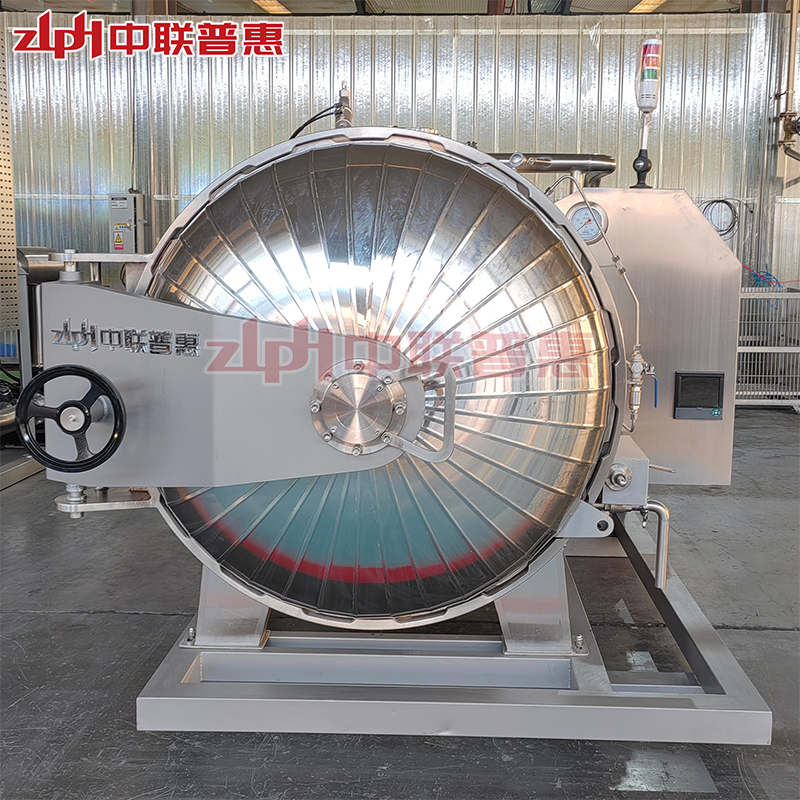
خوراک کا جواب
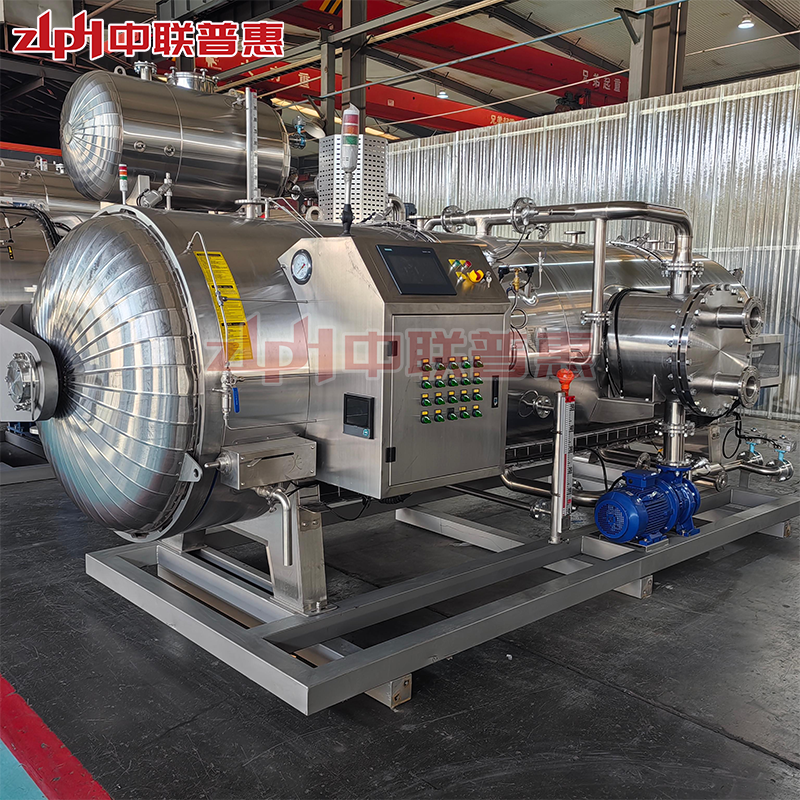
جواب دینے والی مشین
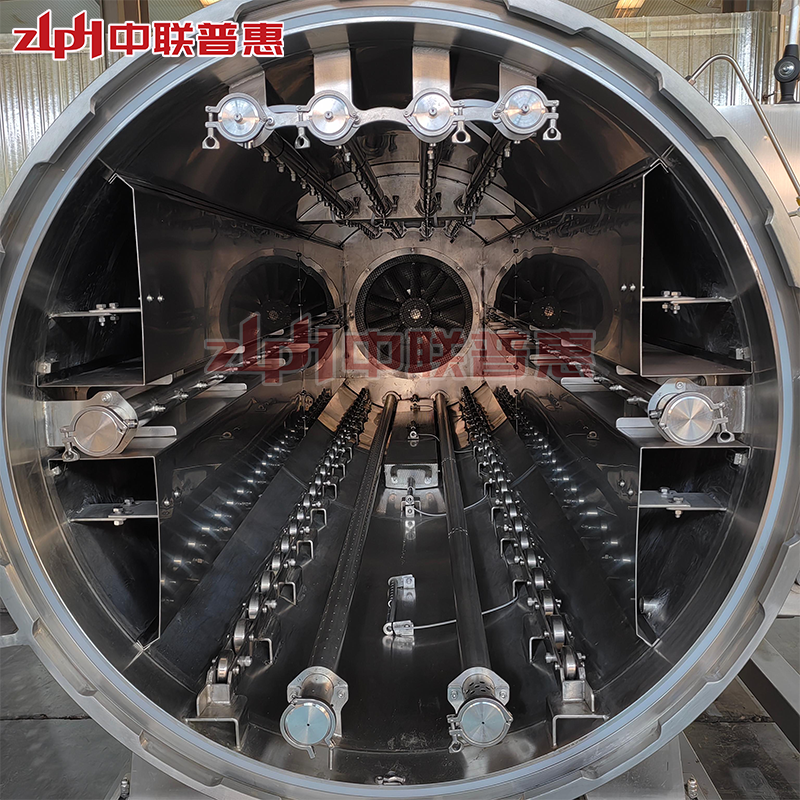
خوراک کا جواب
